
Resources
We help you choose the right mode of transportation, since it depends on several key factors. An effective logistics company must manage different transportation modes and customs cooperation to ensure a successful international operation.
Incoterms
The International Commercial Terms define the responsibilities and obligations of the parties involved in an international sale. Incoterms govern four key aspects of every commercial transaction:
- Delivery of the goods
- Transfer of risk
- Allocation of costs
- Documentation
Trailers and flatbeds
Ground equipment refers to the vehicles used to move freight by road. Types include flatbeds, tankers, refrigerated trucks, containers and dry vans, among others.
Each type of equipment has specific features and capacities suited to different kinds of cargo. Choosing the right equipment is essential for safe, on-time delivery.

Containers
| Container | Inside dimensions | Max. payload | Cubic capacity |
|---|---|---|---|
| 20’ Standard (Dry Cargo) | 19’4” × 7’8” × 7’10” | 28,240 kg | 33.3 m³ |
| 40’ Standard (Dry Cargo) | 39’6” × 7’8” × 7’10” | 22,685 kg | 67.7 m³ |
| 40’ High Cube Standard (Dry Cargo) | 39’6” × 7’8” × 8’6” | 22,685 kg | 67.7 m³ |
| 20’ Collapsible Flat Rack | 18’6” × 7’3” × 7’4” | 27,610 kg | 27.6 m³ |
| 40’ Collapsible Flat Rack | 39’7” × 6’10” × 6’5” | 39,000 kg | 62.2 m³ |
| 20’ Reefer | 17’8” × 7’5” × 7’5” | 20,800 kg | 28.3 m³ |
| 40’ Reefer | 37’8” × 7’5” × 7’2” | 25,800 kg | 57.8 m³ |
Aircraft
Reference cargo capacity by aircraft type.
| Aircraft | Cargo capacity |
|---|---|
| Airbus A319, A320, A321 | 15,000 kg |
| Airbus A330 | 10,300 kg |
| Airbus A340 | 16,000 kg |
| Boeing 737 | 2,000 kg |
| Boeing 747 | 12,000 kg |
| Boeing 747-400 ERF | 112,000 kg |
| Boeing 747-F Freighter | 107,000 kg |
| Boeing 777-200 | 18,000 kg |

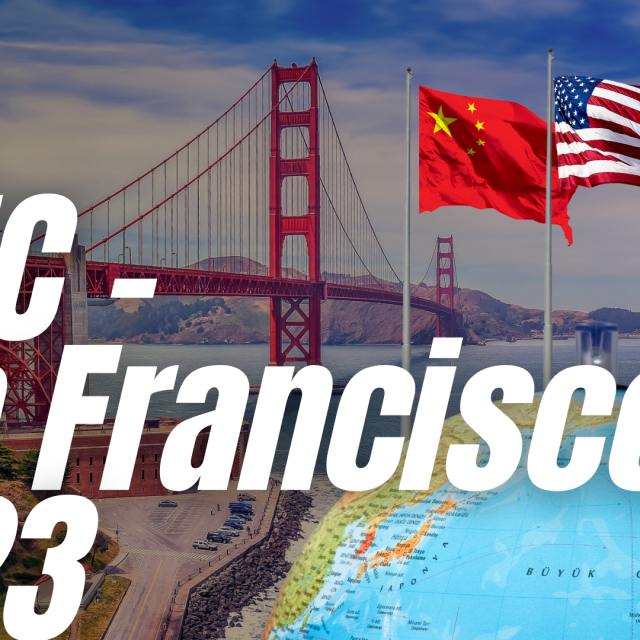
APEC San Francisco 2023: Summary and Key Takeaways
President Xi Jinping arrived in San Francisco last November for the Asia-Pacific Economic Cooperation summit, his first visit to the U.S. in six years…
Read article (Spanish)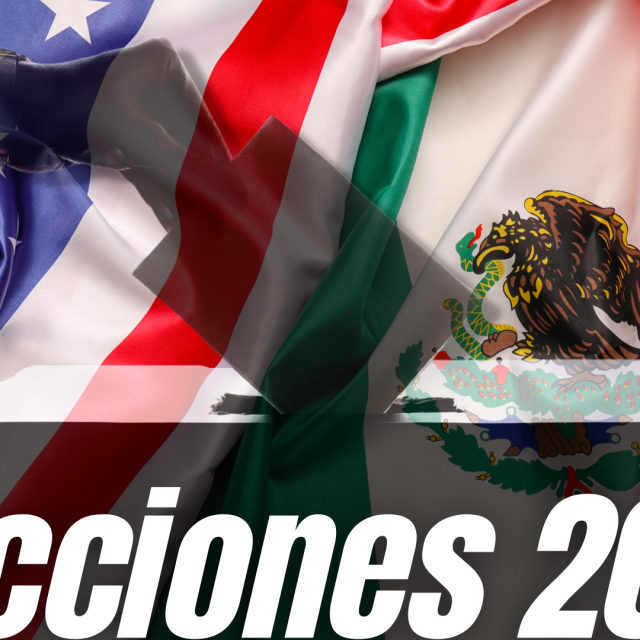
Mexico Looking Ahead to the 2024 North American Elections
The opportunities and obstacles for Mexico around the 2024 U.S. and Mexican presidential elections, particularly regarding the potential of nearshoring…
Read article (Spanish)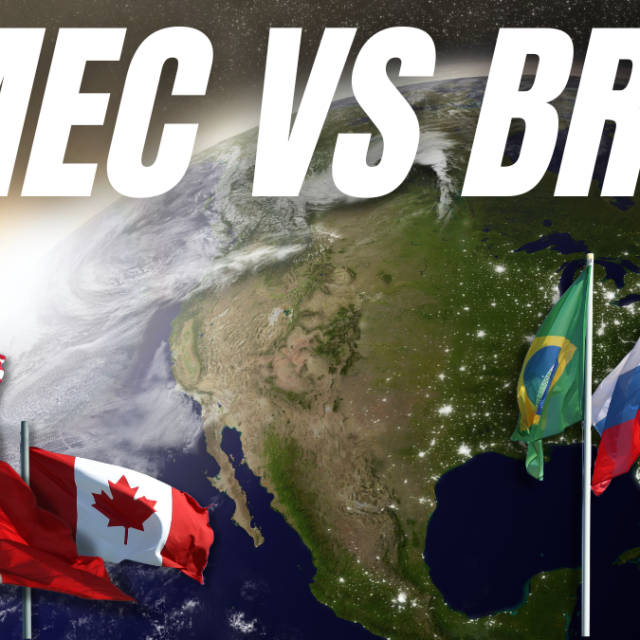
Mexico Committed to the USMCA vs. BRICS
Mexico continues to firmly decline joining the BRICS group, opting instead for a long-term commitment to the USMCA…
Read article (Spanish)